What we buy: unit substations
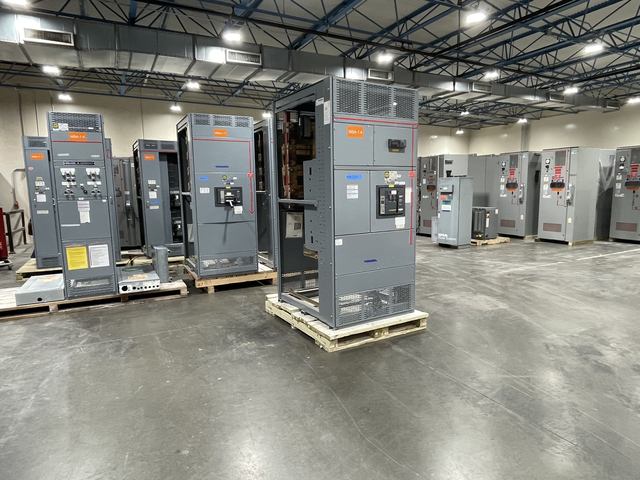
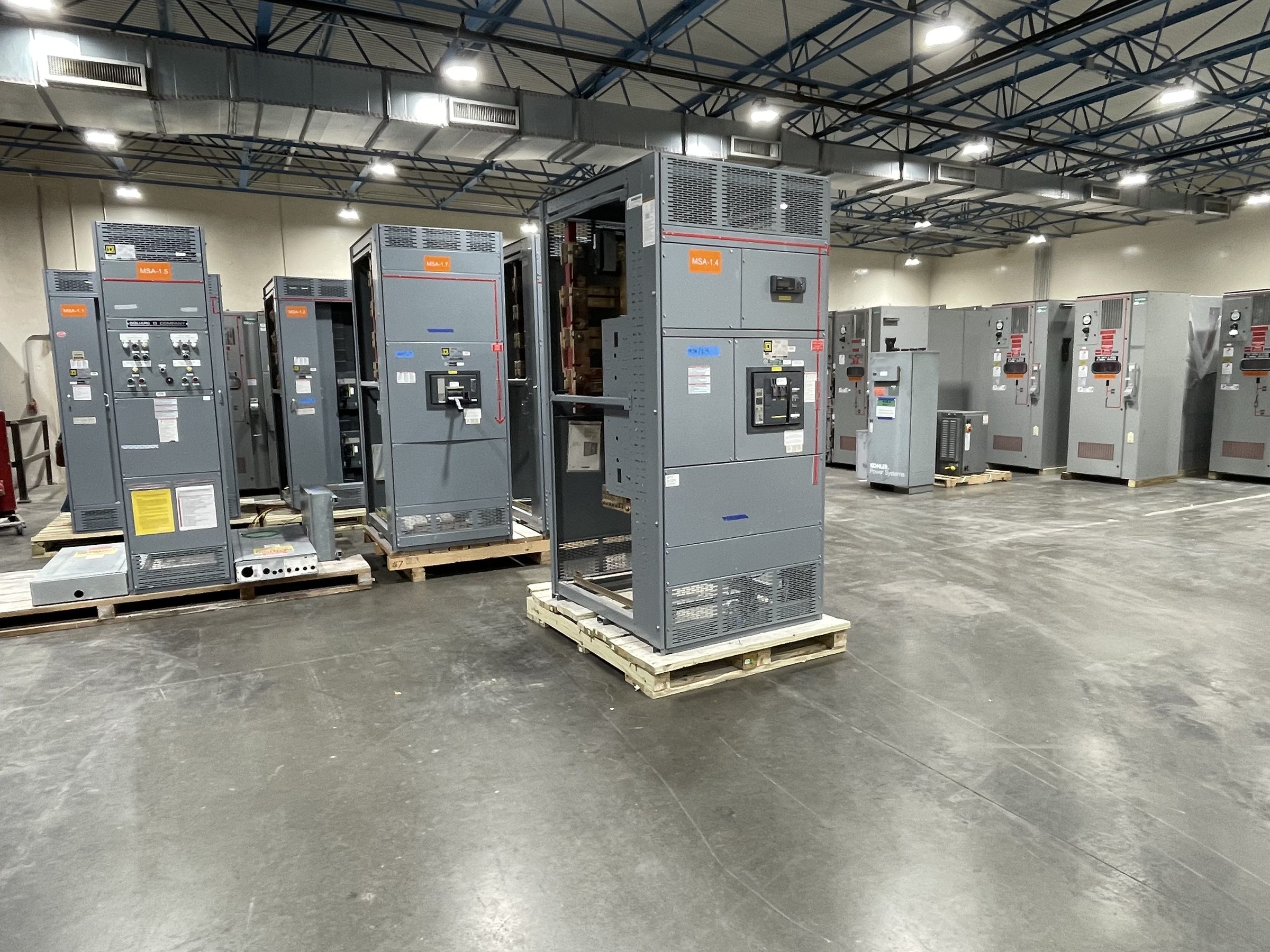
A unit substation commonly combines a transformer with associated primary and secondary equipment. The actual configuration matters: a seller may offer the complete arrangement or only specified switchgear and transformer sections. We consider equipment across all voltage classes and review each proposed purchase.
For a seller considering unit substations in Brookfield, Wisconsin, we review both equipment already in storage and assets still installed when a safe release can be arranged. Working, surplus, retired, and decommissioned equipment can be considered. The actual condition, completeness, location, and removal work affect our decision; we do not invent a price or promise to buy every item.
Planning a pickup in Brookfield
For a seller in or near Brookfield, the useful starting point is the actual site and equipment, not an assumed local inventory. The property might be an occupied commercial campus where the removal path crosses public areas. Tell us where the equipment sits, whether it is indoors or outside, and who can authorize access. We buy throughout Wisconsin and coordinate pickup at the agreed site; the seller does not need to deliver the lot.
When describing unit substations in Brookfield, Wisconsin, explain how a crew can move from the equipment to a truck. Note door sizes, floor transitions, overhead obstructions, crane restrictions, and whether the dock or yard is shared. For a multi-building sale, identify the contacts and access hours at each location; the seller does not need to move the equipment to a central pickup point.
Photos, labels, and an honest equipment description
Send wide views and safely accessible nameplates for the transformer and connected sections. Record voltage ratings, transformer kVA if legible, manufacturer, enclosure type, dimensions, and the sections included. Mention whether equipment is indoor or outdoor and share existing drawings if available.
For unit substations in Brookfield, Wisconsin, a useful first set shows the full assembly from a safe distance and readable close-ups of labels visible from outside. If several units look similar, indicate quantities and note different ratings. An existing list, one-line drawing, or dimensions can help, but an incomplete record does not prevent you from starting. Never remove a guard or cover for a photo.
Condition, completeness, and seller testing
Describe known damage, missing parts, and whether the transformer is dry-type or liquid-filled if that is already known. Identify any available information about the fluid or other regulated materials without opening or sampling equipment yourself. We review material and access requirements before agreeing to a purchase, and seller testing is not required.
We do not ask sellers of unit substations in Brookfield, Wisconsin to make equipment operational or perform an electrical test. Tell us about known missing parts, damage, and any conditions that restrict access. If site records identify oil, asbestos, contamination, or other regulated material, share that information so the requirements can be reviewed. Leave sampling and handling to appropriate personnel and disclose what is unknown rather than guessing.
Electrical disconnect and safe release
Transformers and attached sections can be heavy and may require crane access, transport permits, or a carefully planned separation. Tell us about overhead lines, foundations, doors, and any sections remaining in service. Our buyer-handled scope includes arranging qualified disconnect, rigging, loading, hauling, and all freight for the accepted transaction.
For unit substations in Brookfield, Wisconsin, our buyer-handled scope includes arranging and paying for the electrical disconnect after the purchase is accepted. Qualified personnel coordinate with the site and utility as applicable. Facility representatives must identify equipment that stays in service and approve access and outage windows. Never assume that closed breakers, old labels, or a vacant building prove that equipment is safe to touch.
Rigging, crane, loading, hauling, and freight
For an accepted purchase of unit substations in Brookfield, Wisconsin, we handle all rigging and logistics and pay all freight. Our responsibility includes arranging the qualified disconnect, crane if the job needs one, appropriate lifting and moving crew, loading, and hauling. The seller need not stage the equipment on a truck or hire a separate rigging company. The written purchase scope defines which equipment and work are included.
If the unit substations is scattered across a site, list the rooms and the best access contact for each. Note any overhead wires, door or gate limits, unfinished floors, and available yard space. Unknown weights are acceptable at the initial discussion. Our team uses the agreed scope and access information to coordinate qualified crews, equipment, and freight.
Cash offer and upfront payment
After reviewing the photos, details, and removal scope for unit substations in Brookfield, Wisconsin, we can make a cash offer for equipment we accept. The offer identifies what is purchased and the agreed payment and pickup terms. The seller gets paid upfront, before disconnect and removal work begins. A cash offer means an offer to purchase for money; the payment method is agreed in writing, not assumed to mean physical currency.
For the unit substations, describe all pieces you intend to transfer and any that must stay. We do not publish made-up prices; the actual equipment and the work involved determine whether we can make an offer. Confirm who owns the lot and whether a lease, lien, property transaction, or utility agreement requires another party's authorization before a sale.
Prepare the scope and ask your next question
Does the entire unit substation have to be sold? Not necessarily. Identify the transformer, primary gear, secondary gear, and accessories you can release; our offer and logistics plan will define exactly which pieces are included.
To start a discussion about unit substations in Brookfield, Wisconsin, provide the Wisconsin city or county, your contact and authority to sell, the equipment type and quantity, safe photos of visible nameplates, and the known availability date. Mention if another contractor or a property sale affects access. You can describe an upcoming release even if the equipment is still installed; the exact pickup schedule is coordinated after the scope is understood.
The next step is a review of the actual unit substations, site, and proposed timing. We buy equipment rather than market it for sale, and an accepted transaction gives the seller upfront payment before our arranged disconnect and removal. Keep uncertain details marked as unknown, and make sure the final written scope separates sold equipment from anything the property retains.