What we buy: switchgear
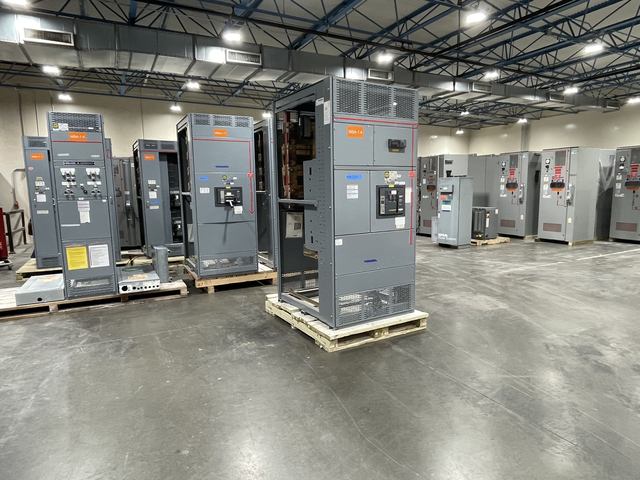
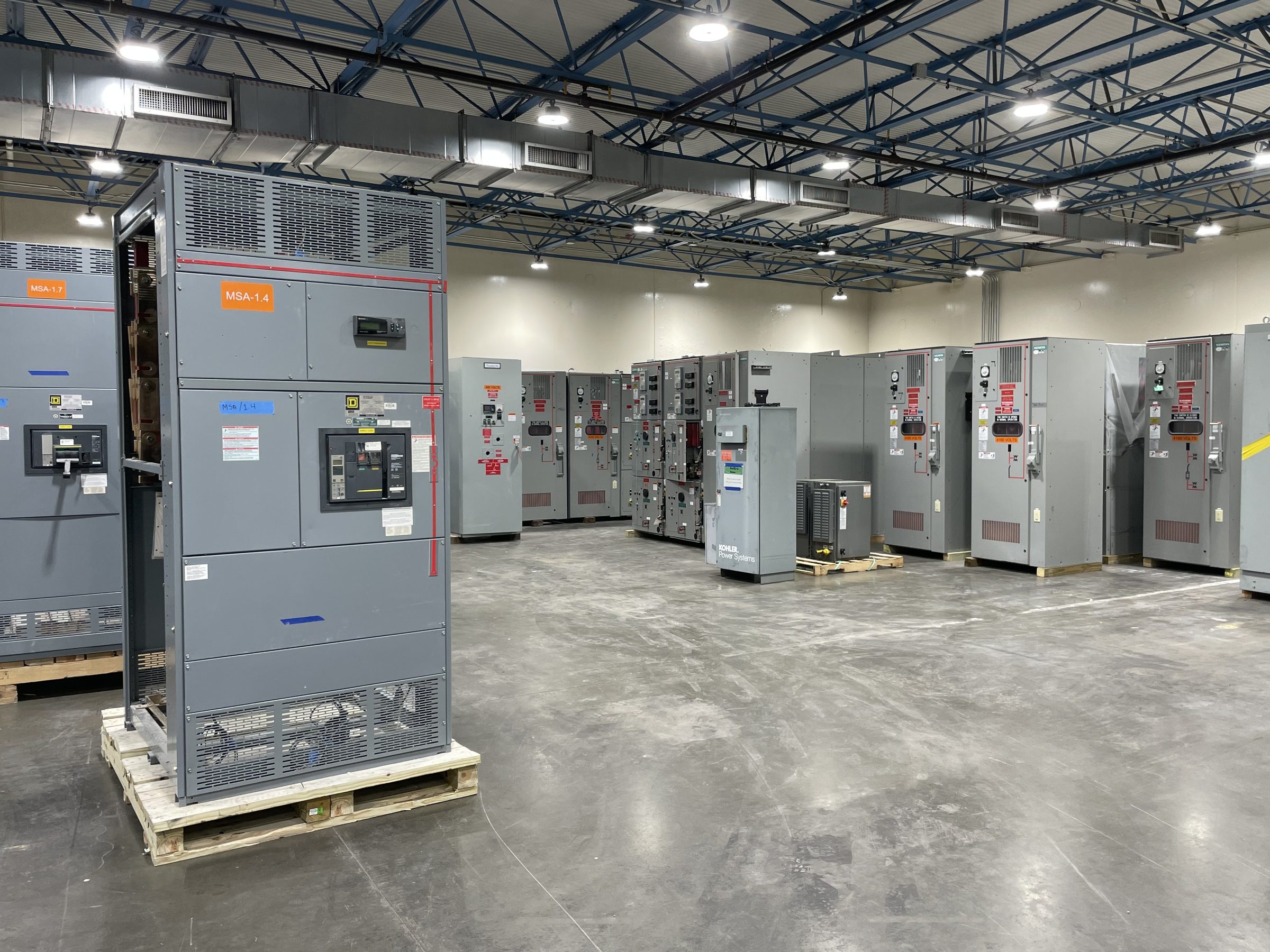
Switchgear assemblies distribute power and provide switching and protective functions. A sale might involve a single lineup, several connected sections, or an assortment removed during a modernization. We consider equipment across all voltage classes and review each proposed purchase.
We are buying electrical switchgear from paper mills in Wisconsin, not offering electrical equipment for sale. Let us know whether yours is an installed assembly, a redundant spare, or equipment released during an upgrade. We review working and untested items, then decide whether the equipment and the proposed removal scope fit an offer. Every lot is assessed separately; no fixed price is implied.
Selling from paper mills
A paper mill may offer switchgear, motor control centers, switchboards, breakers, or other electrical equipment released from a process area. Indicate which sections serve machinery that must keep running and whether spare buckets or devices are part of the proposed sale.
Discuss production windows, floor conditions, overhead piping, machinery clearance, and the route from the electrical room to the loading area. If electrical equipment is near process systems or wet areas, share known exposure and site restrictions so the crew can plan without interrupting the remaining operation.
We handle all rigging and logistics for the accepted purchase, including arranging the qualified electrical disconnect, crane when needed, loading, hauling, and all freight. We coordinate the work with the authorized site and utility contacts; the seller is paid upfront before removal work begins.
Photos, labels, and an honest equipment description
Show the entire lineup and then photograph each accessible nameplate and front compartment. Voltage, continuous current, short-circuit rating, manufacturer, model, serial numbers, breaker count, and available one-line drawings help us understand the assembly. Tell us whether indoor or outdoor enclosures and remote controls are included.
To describe electrical switchgear from paper mills in Wisconsin, tell us the count of assemblies and any separate boxes of parts. A legible nameplate photo is more reliable than guessing the manufacturer, voltage, or current rating from cabinet size. Share existing drawings if convenient and point out labels that cannot safely be read. Seller testing and removal of energized covers are not needed.
Condition, completeness, and seller testing
A complete lineup can differ substantially from a cabinet missing its removable breakers, relays, or bus sections. Let us know about known damage, missing compartments, modifications, water exposure, or sections kept as spares. We consider used, decommissioned, and surplus gear; sellers do not need to energize or test it for us.
There is no need to clean, refurbish, certify, energize, or test the switchgear before asking for a cash offer. Describe what you know and say when something is unknown. Disclose known asbestos, oil, contamination, other potentially regulated material, and site restrictions so we can assess a compliant scope. Do not disturb or sample suspect material yourself; any offer is subject to equipment and project review.
Electrical disconnect and safe release
Lineups may need to be separated into transportable sections after safe isolation. Note overhead bus connections, cable entries, anchoring, the approximate dimensions of each section, and any narrow doors. Our team plans the disconnect and movement with the site; the seller should not open energized compartments or attempt the disassembly.
We arrange and pay for the disconnect of the switchgear included in an accepted purchase, using appropriately qualified personnel and coordinating with the facility and utility when needed. The authorized site controls access, identifies retained circuits, and approves the work window. Qualified personnel verify isolation and address stored energy using applicable procedures; a seller should not attempt electrical work to prepare for a sale.
Rigging, crane, loading, hauling, and freight
For an accepted purchase of electrical switchgear from paper mills in Wisconsin, we handle all rigging and logistics and pay all freight. Our responsibility includes arranging the qualified disconnect, crane if the job needs one, appropriate lifting and moving crew, loading, and hauling. The seller need not stage the equipment on a truck or hire a separate rigging company. The written purchase scope defines which equipment and work are included.
Tell us the weight or dimensions of the switchgear if known, the nearest usable exit, loading docks, overhead obstructions, gate restrictions, and rules for trucks or contractors. If a crane cannot reach the equipment directly, we plan a suitable route and method with the site. The agreement identifies the assets, access assumptions, and work before removal starts.
Cash offer and upfront payment
We review electrical switchgear from paper mills in Wisconsin and can offer money for the equipment we agree to buy. The seller gets paid upfront, before disconnect, rigging, or hauling begins. Our written terms identify the purchased assets, payment method, timing, and agreed pickup scope. A cash offer is not a claim that payment must be physical currency, and a review does not obligate you to sell.
Our review of electrical switchgear from paper mills in Wisconsin is based on the real lot, not an invented per-unit quote. Different models, completeness, access conditions, and removal scopes can lead to different decisions. Before accepting an offer, confirm your authority to sell and review which equipment is included, what remains at the site, and any outside approvals the owner must obtain.
Prepare the scope and ask your next question
Is the offer for the entire switchgear lineup or only selected sections? We identify the included cabinets, removable breakers, bus and accessories in the written scope so that both parties know what stays and what leaves.
To start a discussion about electrical switchgear from paper mills in Wisconsin, provide the Wisconsin city or county, your contact and authority to sell, the equipment type and quantity, safe photos of visible nameplates, and the known availability date. Mention if another contractor or a property sale affects access. You can describe an upcoming release even if the equipment is still installed; the exact pickup schedule is coordinated after the scope is understood.
The next step is a review of the actual switchgear, site, and proposed timing. We buy equipment rather than market it for sale, and an accepted transaction gives the seller upfront payment before our arranged disconnect and removal. Keep uncertain details marked as unknown, and make sure the final written scope separates sold equipment from anything the property retains.