What we buy: used electrical equipment
We buy used, surplus, and decommissioned electrical equipment, including switchgear, switchboards, motor control centers, panelboards, busway, automatic transfer switches, circuit breakers, and unit substations. A single item or a mixed facility lot can be reviewed. We consider equipment across all voltage classes and review each proposed purchase.
For a seller considering 2000 amp electrical equipment in Wisconsin, we review both equipment already in storage and assets still installed when a safe release can be arranged. Working, surplus, retired, and decommissioned equipment can be considered. The actual condition, completeness, location, and removal work affect our decision; we do not invent a price or promise to buy every item.
Understanding the 2000 amp nameplate
For a 2000 amp assembly, photograph the rating as it appears on the equipment nameplate. Specify whether that number describes the main assembly, an individual breaker, a bus run, or a different component. A lineup can contain devices with several ratings; treating them all as the main rating can misdescribe the lot.
Share the marked voltage, manufacturer, model, number of sections, and visible short-circuit or interrupting rating if available. The ampere rating by itself is not a condition report, a measurement of current load, or a promise of value. Do not measure current or open an energized enclosure for us; we can begin with existing labels and records.
Photos, labels, and an honest equipment description
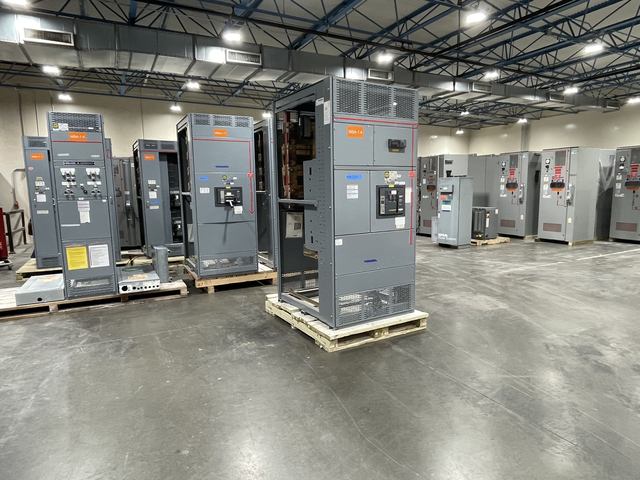
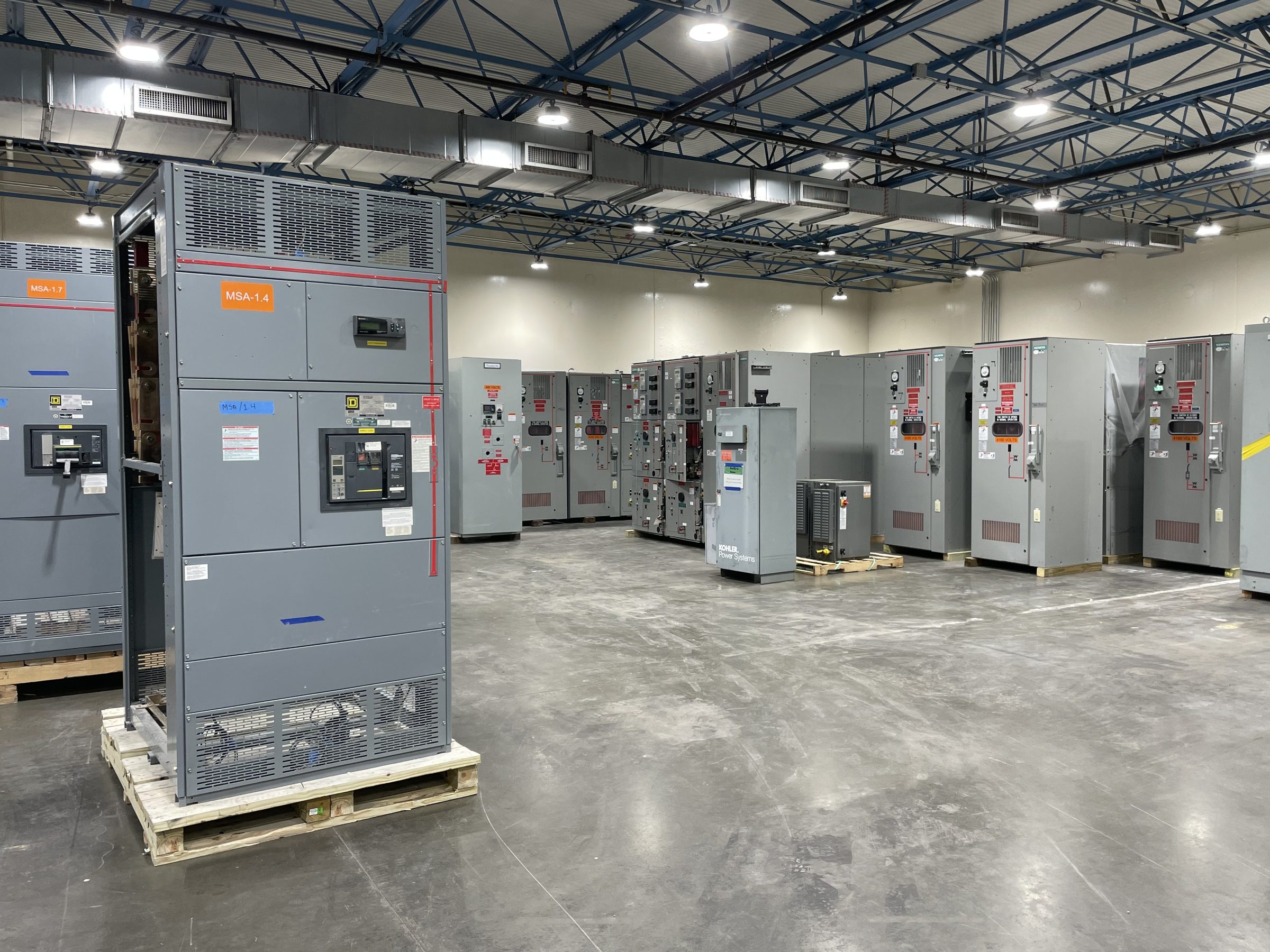
Start with a wide photo of each assembly and close-ups of safely accessible nameplates. Manufacturer, model or catalog number, voltage, ampere rating, section count, and the quantity of loose devices help us understand what you have. Existing drawings or an inventory are useful but not required to start.
If the used electrical equipment is in several rooms, take an overview of each group and identify the room or building in your notes. Separate pictures of the visible rating labels from pictures of loose spares. A photo that shows surrounding access is helpful too. You can send information in stages; do not enter a restricted area or open electrical equipment just to complete a list.
Condition, completeness, and seller testing
Describe whether the equipment is complete, still installed, or already in storage. Tell us about known missing parts, modifications, water exposure, or damage, and identify any parts being kept. Used and untested items can be considered; you do not have to test or energize equipment before contacting us.
We do not ask sellers of 2000 amp electrical equipment in Wisconsin to make equipment operational or perform an electrical test. Tell us about known missing parts, damage, and any conditions that restrict access. If site records identify oil, asbestos, contamination, or other regulated material, share that information so the requirements can be reviewed. Leave sampling and handling to appropriate personnel and disclose what is unknown rather than guessing.
Electrical disconnect and safe release
A mixed lot can include heavy lineups, smaller breakers, overhead bus, and equipment in different rooms. Show the available access route, stairs or dock, and overhead obstructions. We plan the qualified disconnect and equipment movement with the site, not by asking your staff to dismantle electrical equipment.
The seller does not have to disconnect the used electrical equipment. We arrange and pay for that work with qualified personnel as part of the agreed purchase, coordinating with the responsible site and utility where required. The facility must identify the sale boundary and authorize the release; only qualified personnel should verify isolation, deal with stored energy, and carry out the electrical work.
Rigging, crane, loading, hauling, and freight
For an accepted purchase of 2000 amp electrical equipment in Wisconsin, we handle all rigging and logistics and pay all freight. Our responsibility includes arranging the qualified disconnect, crane if the job needs one, appropriate lifting and moving crew, loading, and hauling. The seller need not stage the equipment on a truck or hire a separate rigging company. The written purchase scope defines which equipment and work are included.
If the used electrical equipment is scattered across a site, list the rooms and the best access contact for each. Note any overhead wires, door or gate limits, unfinished floors, and available yard space. Unknown weights are acceptable at the initial discussion. Our team uses the agreed scope and access information to coordinate qualified crews, equipment, and freight.
Cash offer and upfront payment
After reviewing the photos, details, and removal scope for 2000 amp electrical equipment in Wisconsin, we can make a cash offer for equipment we accept. The offer identifies what is purchased and the agreed payment and pickup terms. The seller gets paid upfront, before disconnect and removal work begins. A cash offer means an offer to purchase for money; the payment method is agreed in writing, not assumed to mean physical currency.
There is no standard price for 2000 amp electrical equipment in Wisconsin: condition, completeness, equipment characteristics, access, and project scope all matter. Ask questions before deciding whether to proceed. Offer only assets you own or are authorized to sell, and identify any landlord, lender, utility, or other approval needed before the transaction can be completed.
Prepare the scope and ask your next question
Can a facility sell a mixed lot rather than preparing a separate listing for each item? Yes. A rough count, location, and a few safe overview photographs are enough to begin a review; we can clarify the specific sale scope before an offer.
To start a discussion about 2000 amp electrical equipment in Wisconsin, provide the Wisconsin city or county, your contact and authority to sell, the equipment type and quantity, safe photos of visible nameplates, and the known availability date. Mention if another contractor or a property sale affects access. You can describe an upcoming release even if the equipment is still installed; the exact pickup schedule is coordinated after the scope is understood.
The next step is a review of the actual used electrical equipment, site, and proposed timing. We buy equipment rather than market it for sale, and an accepted transaction gives the seller upfront payment before our arranged disconnect and removal. Keep uncertain details marked as unknown, and make sure the final written scope separates sold equipment from anything the property retains.