What we buy: motor control centers (MCCs)
Motor control centers, or MCCs, group motor starters and related controls into vertical sections. A seller may have complete lineups, spare buckets, or retired sections from a production change. We consider equipment across all voltage classes and review each proposed purchase.
For a seller considering Siemens motor control centers in Wisconsin, we review both equipment already in storage and assets still installed when a safe release can be arranged. Working, surplus, retired, and decommissioned equipment can be considered. The actual condition, completeness, location, and removal work affect our decision; we do not invent a price or promise to buy every item.
Identifying Siemens equipment
We buy equipment identified as Siemens when the specific assets and project are a fit. Include the Siemens equipment nameplate and any separate breaker or section labels so we can distinguish the complete assembly from its individual devices. Tell us which parts are included and which are kept by the facility; a brand name alone does not identify a complete lineup or determine a cash offer.
The Siemens name is used only to identify equipment a seller may own. We are an independent buyer, not an authorized dealer, representative, or affiliate of that manufacturer. A replacement component can carry a different marking, so include those details rather than assuming every device inside a branded assembly is identical.
Photos, labels, and an honest equipment description
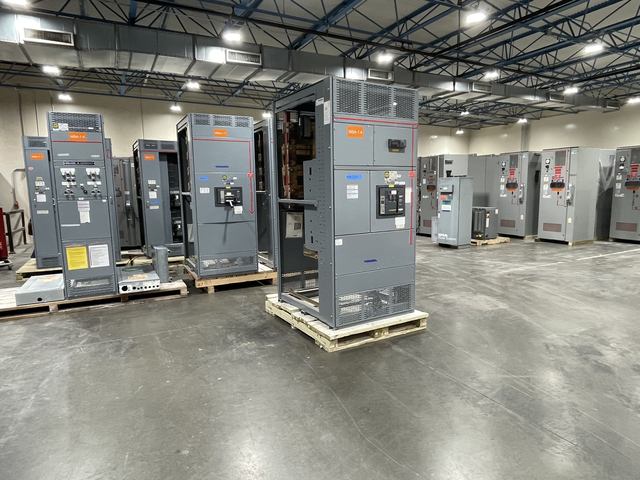
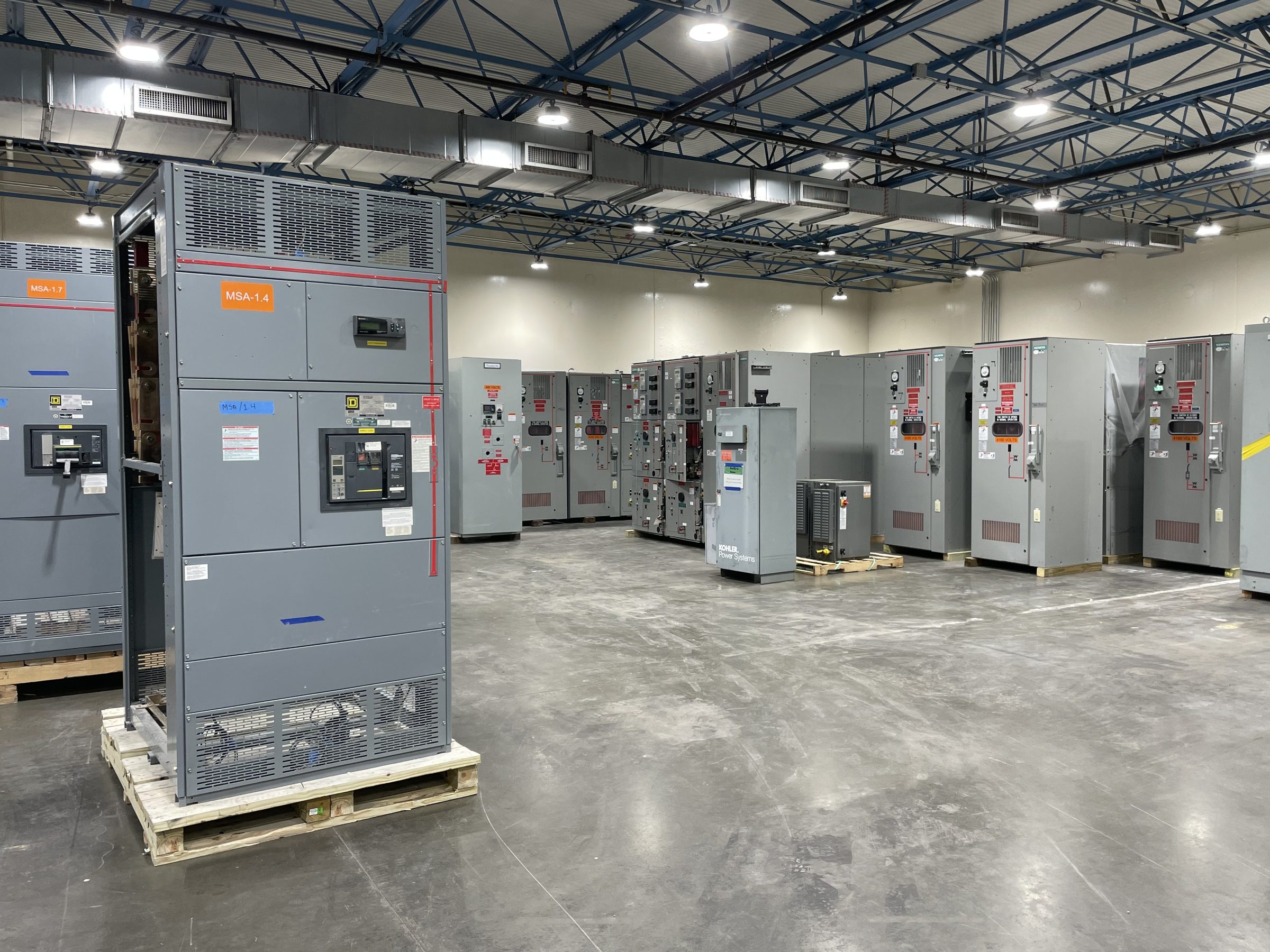
Photograph the lineup, manufacturer and lineup nameplates, and the fronts and labels of accessible buckets. Share voltage, amperage, section count, bucket sizes, starter or drive information, and any known missing units. Bucket schedules or drawings are useful if already available, but do not open energized doors to make an inventory.
If the motor control centers (MCCs) is in several rooms, take an overview of each group and identify the room or building in your notes. Separate pictures of the visible rating labels from pictures of loose spares. A photo that shows surrounding access is helpful too. You can send information in stages; do not enter a restricted area or open electrical equipment just to complete a list.
Condition, completeness, and seller testing
MCC value and handling depend on what is actually included: intact bus, covers, starter buckets, controls, and other removable pieces can all change the scope. Disclose known water or heat damage and whether components have been swapped. Used and untested units can be reviewed without a seller-operated test.
We do not ask sellers of Siemens motor control centers in Wisconsin to make equipment operational or perform an electrical test. Tell us about known missing parts, damage, and any conditions that restrict access. If site records identify oil, asbestos, contamination, or other regulated material, share that information so the requirements can be reviewed. Leave sampling and handling to appropriate personnel and disclose what is unknown rather than guessing.
Electrical disconnect and safe release
Tell us whether the lineup is connected to field wiring, adjacent machinery, or overhead bus, and whether any section must stay in service. Our buyer-handled work includes arranging the safe disconnect and rigging after the release plan is agreed. Do not remove a bucket or disturb an energized conductor for photographs.
The seller does not have to disconnect the motor control centers (MCCs). We arrange and pay for that work with qualified personnel as part of the agreed purchase, coordinating with the responsible site and utility where required. The facility must identify the sale boundary and authorize the release; only qualified personnel should verify isolation, deal with stored energy, and carry out the electrical work.
Rigging, crane, loading, hauling, and freight
The buyer handles all rigging and logistics for an accepted purchase involving motor control centers (MCCs). We plan the move, arrange a crane when needed, provide the handling crew, handle loading, haul the equipment away, and pay all freight. Our team also arranges the electrical disconnect. The seller does not need to find a rigger, put equipment on a truck, or pay a separate freight bill for the agreed purchase scope.
A practical pickup plan for Siemens motor control centers in Wisconsin starts with the building exit and truck approach. Share a rough door measurement, floor level, travel distance, and any photos of tight turns. Also note whether a site escort, lift window, permits, or neighboring tenant approval may be necessary. We arrange the handling method and coordinate the agreed work with the site.
Cash offer and upfront payment
After reviewing the photos, details, and removal scope for Siemens motor control centers in Wisconsin, we can make a cash offer for equipment we accept. The offer identifies what is purchased and the agreed payment and pickup terms. The seller gets paid upfront, before disconnect and removal work begins. A cash offer means an offer to purchase for money; the payment method is agreed in writing, not assumed to mean physical currency.
Our review of Siemens motor control centers in Wisconsin is based on the real lot, not an invented per-unit quote. Different models, completeness, access conditions, and removal scopes can lead to different decisions. Before accepting an offer, confirm your authority to sell and review which equipment is included, what remains at the site, and any outside approvals the owner must obtain.
Prepare the scope and ask your next question
Can spare MCC buckets be included with a lineup? Yes, tell us the quantity, labels, storage location, and whether they are part of the same sale. We will review the lot and specify which pieces are included in any offer.
To start a discussion about Siemens motor control centers in Wisconsin, provide the Wisconsin city or county, your contact and authority to sell, the equipment type and quantity, safe photos of visible nameplates, and the known availability date. Mention if another contractor or a property sale affects access. You can describe an upcoming release even if the equipment is still installed; the exact pickup schedule is coordinated after the scope is understood.
The next step is a review of the actual motor control centers (MCCs), site, and proposed timing. We buy equipment rather than market it for sale, and an accepted transaction gives the seller upfront payment before our arranged disconnect and removal. Keep uncertain details marked as unknown, and make sure the final written scope separates sold equipment from anything the property retains.