What we buy: used electrical equipment
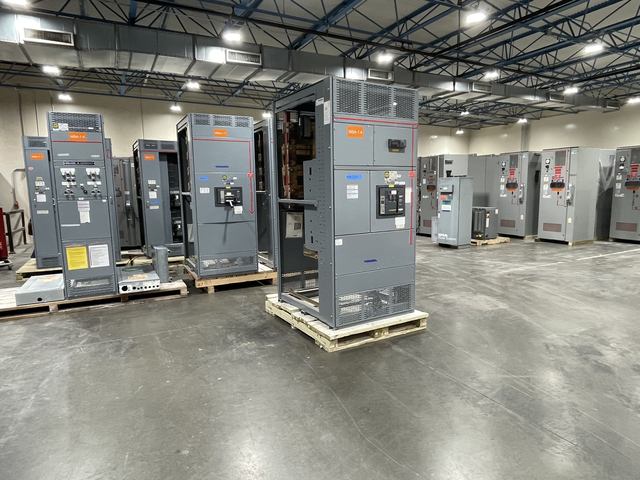
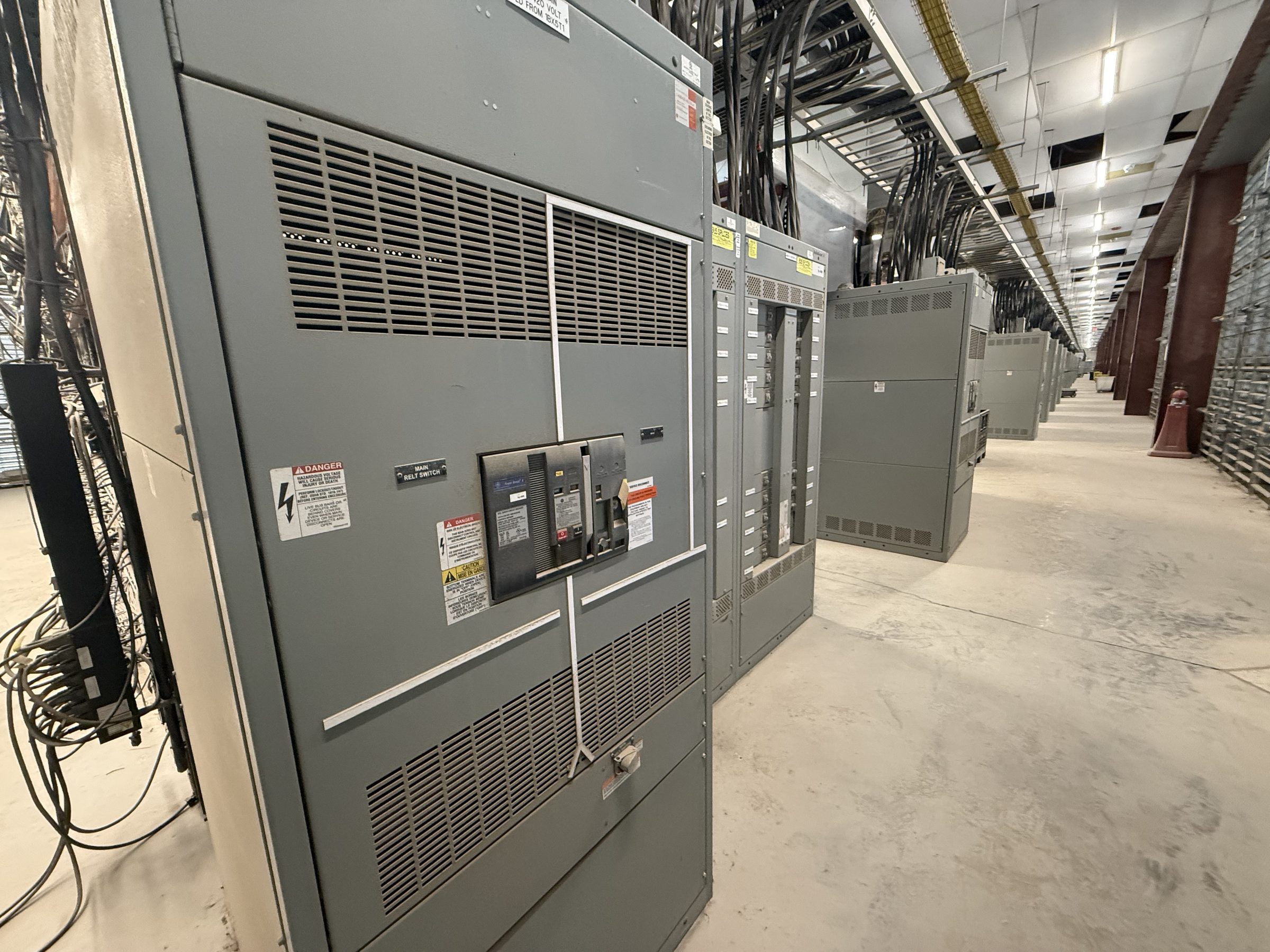
We buy used, surplus, and decommissioned electrical equipment, including switchgear, switchboards, motor control centers, panelboards, busway, automatic transfer switches, circuit breakers, and unit substations. A single item or a mixed facility lot can be reviewed. We consider equipment across all voltage classes and review each proposed purchase.
If you have 1600 amp electrical equipment in Wisconsin, you can ask about a single assembly or a larger disposition. The equipment may already be disconnected, or it may need a planned release from the site. We consider used, surplus, and decommissioned assets and review each offer on its own merits rather than quoting an unsupported price or guaranteeing purchase of every lot.
Understanding the 1600 amp nameplate
For a 1600 amp assembly, photograph the rating as it appears on the equipment nameplate. Specify whether that number describes the main assembly, an individual breaker, a bus run, or a different component. A lineup can contain devices with several ratings; treating them all as the main rating can misdescribe the lot.
Share the marked voltage, manufacturer, model, number of sections, and visible short-circuit or interrupting rating if available. The ampere rating by itself is not a condition report, a measurement of current load, or a promise of value. Do not measure current or open an energized enclosure for us; we can begin with existing labels and records.
Photos, labels, and an honest equipment description
Start with a wide photo of each assembly and close-ups of safely accessible nameplates. Manufacturer, model or catalog number, voltage, ampere rating, section count, and the quantity of loose devices help us understand what you have. Existing drawings or an inventory are useful but not required to start.
To describe 1600 amp electrical equipment in Wisconsin, tell us the count of assemblies and any separate boxes of parts. A legible nameplate photo is more reliable than guessing the manufacturer, voltage, or current rating from cabinet size. Share existing drawings if convenient and point out labels that cannot safely be read. Seller testing and removal of energized covers are not needed.
Condition, completeness, and seller testing
Describe whether the equipment is complete, still installed, or already in storage. Tell us about known missing parts, modifications, water exposure, or damage, and identify any parts being kept. Used and untested items can be considered; you do not have to test or energize equipment before contacting us.
There is no need to clean, refurbish, certify, energize, or test the used electrical equipment before asking for a cash offer. Describe what you know and say when something is unknown. Disclose known asbestos, oil, contamination, other potentially regulated material, and site restrictions so we can assess a compliant scope. Do not disturb or sample suspect material yourself; any offer is subject to equipment and project review.
Electrical disconnect and safe release
A mixed lot can include heavy lineups, smaller breakers, overhead bus, and equipment in different rooms. Show the available access route, stairs or dock, and overhead obstructions. We plan the qualified disconnect and equipment movement with the site, not by asking your staff to dismantle electrical equipment.
We arrange and pay for the disconnect of the used electrical equipment included in an accepted purchase, using appropriately qualified personnel and coordinating with the facility and utility when needed. The authorized site controls access, identifies retained circuits, and approves the work window. Qualified personnel verify isolation and address stored energy using applicable procedures; a seller should not attempt electrical work to prepare for a sale.
Rigging, crane, loading, hauling, and freight
You do not have to deliver the used electrical equipment. Once the purchase is agreed, the buyer handles all rigging and logistics, including the disconnect, crane where needed, loading, hauling, and all freight. We arrange the qualified people and equipment for that work. Describe site access honestly so the removal plan and accepted offer can account for the actual property.
Tell us the weight or dimensions of the used electrical equipment if known, the nearest usable exit, loading docks, overhead obstructions, gate restrictions, and rules for trucks or contractors. If a crane cannot reach the equipment directly, we plan a suitable route and method with the site. The agreement identifies the assets, access assumptions, and work before removal starts.
Cash offer and upfront payment
If the used electrical equipment and project are a fit, we make a cash offer stating the items, payment, and removal scope. The seller is paid upfront, before the disconnect or removal work starts. Cash offer describes payment for the purchase, not a promise to hand over physical notes; the parties agree the payment method and transaction terms in writing. You can review the offer before authorizing the work.
For the used electrical equipment, describe all pieces you intend to transfer and any that must stay. We do not publish made-up prices; the actual equipment and the work involved determine whether we can make an offer. Confirm who owns the lot and whether a lease, lien, property transaction, or utility agreement requires another party's authorization before a sale.
Prepare the scope and ask your next question
Can a facility sell a mixed lot rather than preparing a separate listing for each item? Yes. A rough count, location, and a few safe overview photographs are enough to begin a review; we can clarify the specific sale scope before an offer.
To start a discussion about 1600 amp electrical equipment in Wisconsin, provide the Wisconsin city or county, your contact and authority to sell, the equipment type and quantity, safe photos of visible nameplates, and the known availability date. Mention if another contractor or a property sale affects access. You can describe an upcoming release even if the equipment is still installed; the exact pickup schedule is coordinated after the scope is understood.
There is no need to ship or test 1600 amp electrical equipment in Wisconsin before contacting us. Send the safe information available, and we can clarify the lot, arrange an offer for accepted equipment, and plan pickup. We are the buyer: the seller receives payment upfront, and our team handles the agreed disconnect and logistics. Unlisted equipment is not assumed to be part of the sale.