What we buy: low-voltage switchgear
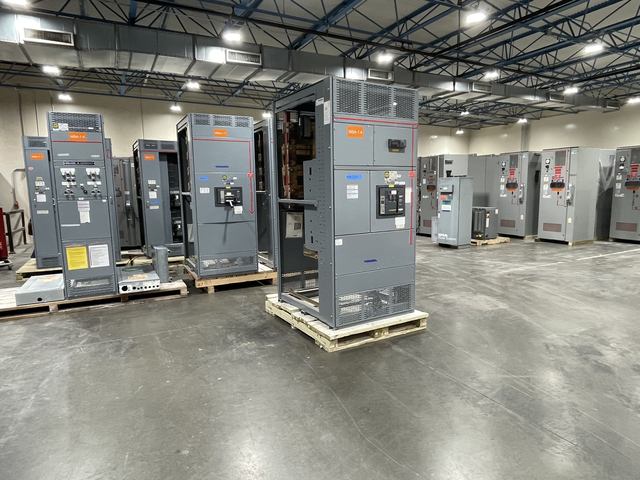
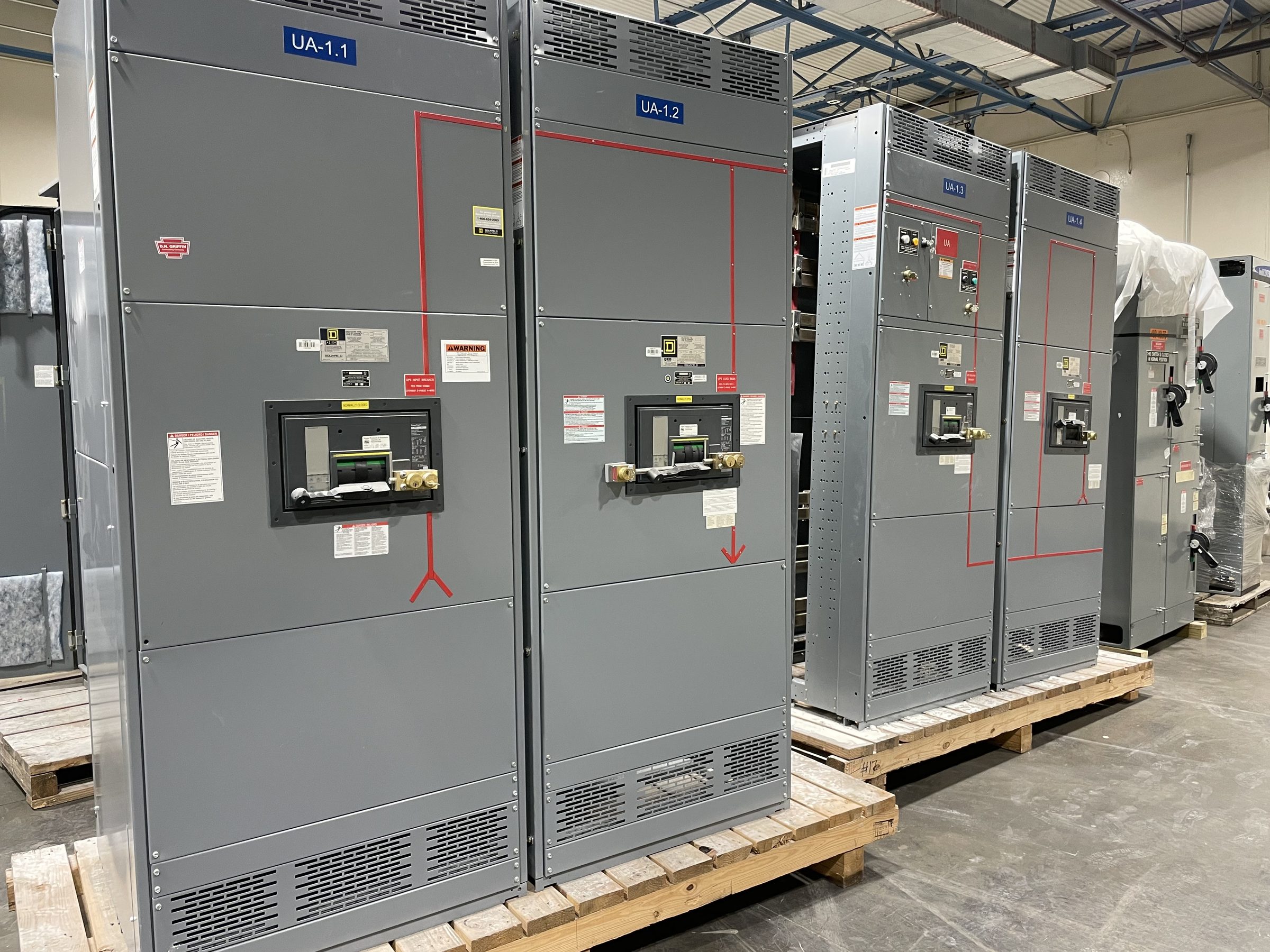
Low-voltage switchgear brings together switching and protective devices in an industrial distribution assembly. A site may have a complete lineup, a removed section, or spare drawout breakers after an upgrade. We consider equipment across all voltage classes and review each proposed purchase.
We are buying low-voltage switchgear in Wisconsin, not offering electrical equipment for sale. Let us know whether yours is an installed assembly, a redundant spare, or equipment released during an upgrade. We review working and untested items, then decide whether the equipment and the proposed removal scope fit an offer. Every lot is assessed separately; no fixed price is implied.
Photos, labels, and an honest equipment description
Take a wide photo of the lineup and close-ups of accessible section and breaker nameplates. Share the marked voltage, ampere rating, manufacturer, section count, breaker quantities, and any drawings that identify the incoming and outgoing connections. Labels are more useful than guessing a rating from the cabinet dimensions.
To describe low-voltage switchgear in Wisconsin, tell us the count of assemblies and any separate boxes of parts. A legible nameplate photo is more reliable than guessing the manufacturer, voltage, or current rating from cabinet size. Share existing drawings if convenient and point out labels that cannot safely be read. Seller testing and removal of energized covers are not needed.
Condition, completeness, and seller testing
Explain whether breakers, trip units, controls, bus, covers, and section doors are present. Tell us about known water exposure, damage, or changes to the original arrangement. Used and retired equipment is eligible for review without the seller operating breakers, removing covers, or performing electrical tests.
We do not ask sellers of low-voltage switchgear in Wisconsin to make equipment operational or perform an electrical test. Tell us about known missing parts, damage, and any conditions that restrict access. If site records identify oil, asbestos, contamination, or other regulated material, share that information so the requirements can be reviewed. Leave sampling and handling to appropriate personnel and disclose what is unknown rather than guessing.
Electrical disconnect and safe release
A lineup can be anchored to a floor and connected to cables, a transformer, or overhead bus. Show the space around it and the route to the exit, and flag any part serving active loads. Our team arranges safe isolation, qualified disconnect, rigging, crane if needed, loading, and transport for the agreed purchase.
For low-voltage switchgear in Wisconsin, our buyer-handled scope includes arranging and paying for the electrical disconnect after the purchase is accepted. Qualified personnel coordinate with the site and utility as applicable. Facility representatives must identify equipment that stays in service and approve access and outage windows. Never assume that closed breakers, old labels, or a vacant building prove that equipment is safe to touch.
Rigging, crane, loading, hauling, and freight
For an accepted purchase of low-voltage switchgear in Wisconsin, we handle all rigging and logistics and pay all freight. Our responsibility includes arranging the qualified disconnect, crane if the job needs one, appropriate lifting and moving crew, loading, and hauling. The seller need not stage the equipment on a truck or hire a separate rigging company. The written purchase scope defines which equipment and work are included.
Tell us the weight or dimensions of the low-voltage switchgear if known, the nearest usable exit, loading docks, overhead obstructions, gate restrictions, and rules for trucks or contractors. If a crane cannot reach the equipment directly, we plan a suitable route and method with the site. The agreement identifies the assets, access assumptions, and work before removal starts.
Cash offer and upfront payment
If the low-voltage switchgear and project are a fit, we make a cash offer stating the items, payment, and removal scope. The seller is paid upfront, before the disconnect or removal work starts. Cash offer describes payment for the purchase, not a promise to hand over physical notes; the parties agree the payment method and transaction terms in writing. You can review the offer before authorizing the work.
Our review of low-voltage switchgear in Wisconsin is based on the real lot, not an invented per-unit quote. Different models, completeness, access conditions, and removal scopes can lead to different decisions. Before accepting an offer, confirm your authority to sell and review which equipment is included, what remains at the site, and any outside approvals the owner must obtain.
Prepare the scope and ask your next question
Can a seller include spare drawout breakers with the lineup? Yes. Give us the quantities, labels, storage location, and any known missing parts so the written offer can distinguish the installed gear from the spare devices.
To start a discussion about low-voltage switchgear in Wisconsin, provide the Wisconsin city or county, your contact and authority to sell, the equipment type and quantity, safe photos of visible nameplates, and the known availability date. Mention if another contractor or a property sale affects access. You can describe an upcoming release even if the equipment is still installed; the exact pickup schedule is coordinated after the scope is understood.
The next step is a review of the actual low-voltage switchgear, site, and proposed timing. We buy equipment rather than market it for sale, and an accepted transaction gives the seller upfront payment before our arranged disconnect and removal. Keep uncertain details marked as unknown, and make sure the final written scope separates sold equipment from anything the property retains.